Personal safety is something that affects everyone, regardless of where they live or what they do. While it’s impossible to eliminate every risk, developing strong personal safety habits can significantly reduce the chances of accidents, dangerous situations, or preventable harm. The key is not fear, but awareness and preparation.
By incorporating simple safety practices into daily routines, individuals can protect themselves, stay alert to potential risks, and respond more effectively when unexpected situations occur.
Understanding the Importance of Personal Safety
Personal safety begins with awareness. Many accidents and unsafe situations happen because people are distracted, unprepared, or unaware of their surroundings.
Building safety habits helps individuals:
- Identify potential risks earlier
- Respond quickly to unexpected situations
- Reduce exposure to avoidable dangers
- Maintain confidence in unfamiliar environments
When safety becomes part of everyday behavior, it becomes a natural and automatic response rather than something that requires constant effort.
Start with Situational Awareness
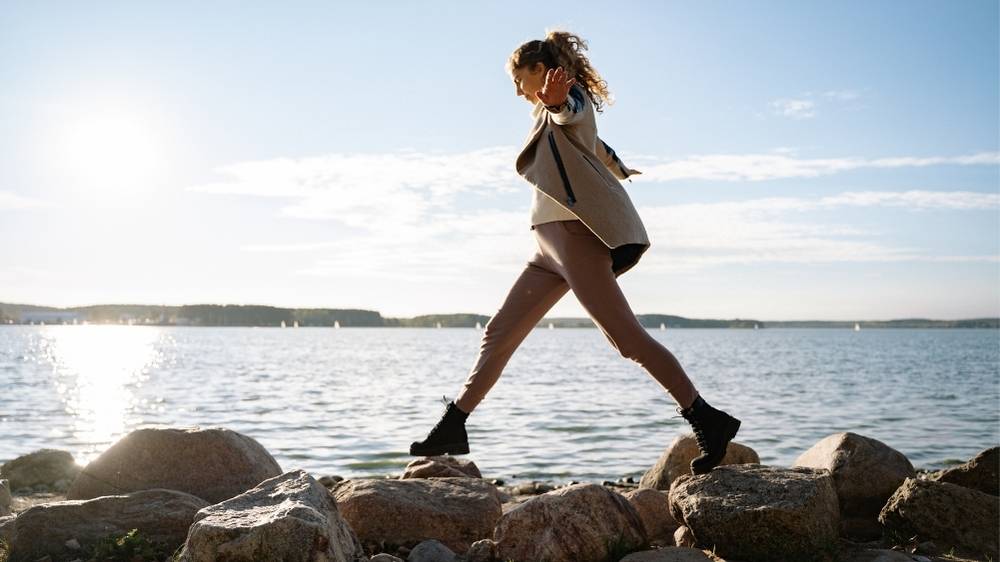
One of the most important personal safety habits is staying aware of your surroundings. Situational awareness means paying attention to what is happening around you, especially in public spaces or unfamiliar locations.
This can include noticing changes in the environment, identifying exits in buildings, or recognizing unusual behavior nearby. Avoiding excessive distractions—such as constantly looking at your phone—can greatly improve awareness and reaction time.
The more aware you are, the better prepared you are to avoid potential risks.
Establish Consistent Daily Safety Routines
Creating consistent routines can strengthen personal safety habits over time. Small actions practiced daily eventually become automatic behaviors.
Examples of helpful routines include:
- Locking doors and windows when leaving home
- Checking surroundings before entering vehicles
- Keeping emergency contacts easily accessible
- Carrying essential identification or information
These small but consistent habits contribute to a stronger sense of preparedness.
Improve Personal Security Practices
Protecting personal belongings and sensitive information is another important aspect of safety. Theft and fraud often occur when people unknowingly expose valuables or personal data.
Good security habits include keeping valuables secure in public places, using strong passwords for digital accounts, and being cautious when sharing personal details.
Developing these habits protects both physical and digital security.
Plan for Unexpected Situations
Preparedness can greatly improve safety during emergencies. While emergencies are unpredictable, having a simple plan can make it easier to react calmly and effectively.
Preparation may involve:
- Knowing emergency exits in buildings
- Keeping basic emergency supplies available
- Understanding local emergency procedures
- Learning basic first-aid knowledge
Even basic preparation can make a meaningful difference when quick decisions are required.
Practice Safe Travel and Movement
Many safety risks occur during everyday movement—such as walking, commuting, or traveling. Developing safe habits during these activities can help prevent accidents and reduce exposure to risky situations.
Some helpful practices include choosing well-lit paths when walking at night, avoiding isolated areas when possible, and remaining alert while using transportation systems.
These precautions help reduce vulnerability and increase personal confidence.
Strengthen Awareness Through Learning
Personal safety is a skill that can improve with knowledge and experience. Learning about common risks and safety strategies can help individuals make better decisions in daily life.
Educational resources, safety workshops, and community awareness programs can provide valuable information that supports safer behavior.
Continuous learning reinforces good habits and encourages proactive thinking.
Encourage Safety in Your Community
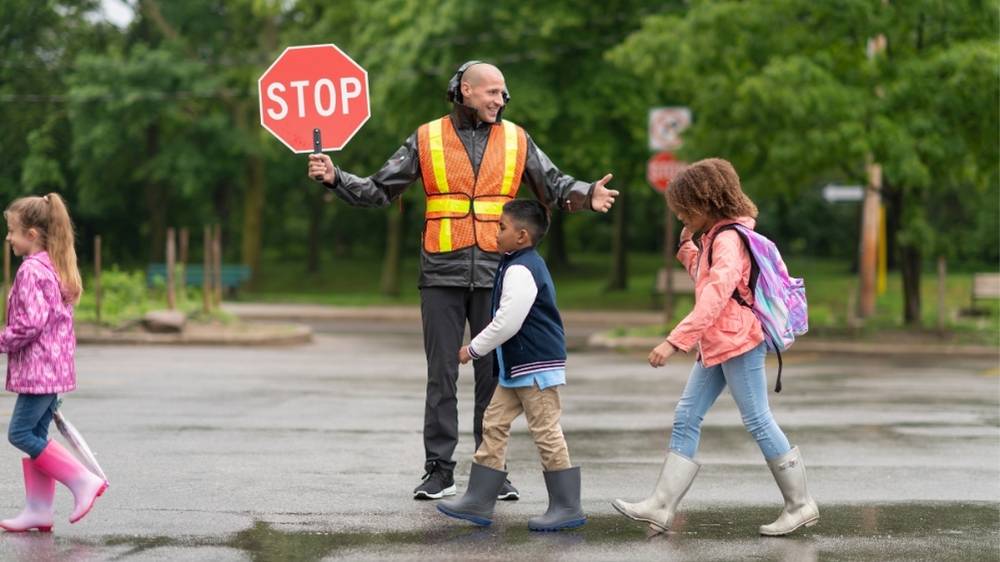
Safety becomes more effective when people support one another. Communities that promote safety awareness often experience fewer accidents and stronger cooperation among residents.
Encouraging open communication about safety practices, sharing useful tips, and looking out for others can create a more secure environment for everyone.
When safety becomes a shared responsibility, individuals feel more supported and prepared.
Conclusion
Building strong personal safety habits does not require complicated systems or constant worry. Instead, it involves simple, consistent behaviors that increase awareness, preparedness, and responsible decision-making.
By practicing situational awareness, establishing daily routines, and preparing for unexpected situations, individuals can significantly improve their personal safety. Over time, these habits become second nature, helping people navigate daily life with greater confidence and security.